How to Fix a Flat Bike Tire at Home (Step by Step)
A flat is the most common bike problem, and you can fix it in about 20 minutes with a few cheap tools. Here is the whole process, plus the mistakes that cause a second flat the next day.
What you need
- 2–3 tire levers (plastic, to avoid scratching the rim)
- A new inner tube or a patch kit – check the size printed on your tire sidewall
- A pump that fits your valve (Presta or Schrader)
- A rag and good light
The 8 steps
- Take the wheel off. Shift to the smallest rear cog first if it is the back wheel. Open the brake if you have rim brakes, then open the quick-release or unscrew and remove the thru-axle. For the rear wheel, pull the derailleur back slightly as you lift the bike. With disc brakes, don't squeeze the brake lever while the wheel is out – it can push the pads together.
- Let out any remaining air. On a Presta valve, unscrew the small tip and press it. On a Schrader valve, press the pin in the center.
- Lever one side of the tire off. Push the tire bead toward the center of the rim all the way around to get slack. Hook a lever under the bead opposite the valve, pull it over the rim, clip it to a spoke, and slide a second lever around.
- Pull out the tube, starting opposite the valve and finishing by pushing the valve out through the rim.
- Find the cause. Pump a little air into the old tube and listen for the leak. Line the tube up with the tire to find the matching spot, then wipe the inside of the tire slowly with a rag (or a gloved finger – glass can cut) to find thorns, glass or wire, and check that the rim tape covers every spoke hole. If you skip this, the new tube often goes flat right away.
- Fit the new (or patched) tube. Inflate it just enough to hold its shape, push the valve through the rim hole, and tuck the tube inside the tire all the way around.
- Push the bead back on with your thumbs, starting at the valve and working both ways. The last section is tight: roll it on with the heels of your hands rather than prying with a lever, which can pinch the new tube. Before inflating, push the valve up into the tire and check all the way around that no tube is caught under the bead.
- Inflate and check. Pump to about half pressure, check that the tire sits evenly on both sides (look for the molded line just above the rim), then pump to within the pressure range printed on the sidewall (never above the tire's or rim's maximum) and refit the wheel. Close the quick-release firmly or tighten the thru-axle, close the brake, then squeeze the brakes and spin the wheel to check before riding.
Common mistakes that cause a second flat
| Mistake | What to do instead |
|---|---|
| Not checking inside the tire | Always wipe around the inside with a rag – a tiny wire is enough to puncture the new tube. |
| Pinching the tube with a lever | Put the last part of the bead on by hand; give the tube a little air first so it does not twist. |
| Riding at low pressure | Check pressure weekly. Low pressure is the main cause of pinch flats. |
| Wrong tube size or valve | Match the size on the tire sidewall (for example 700x28c or 29x2.2) and your rim's valve hole. |
Want to do more of your own repairs?
Once the flat is fixed, the next jobs most riders run into are brakes that rub or squeal, gears that skip, and a chain that needs cleaning or replacing. Those are harder to learn from text because you need to see the adjustment being made – that's where a video course can help.
DIY Bike Repair video course (by Dave Delgado)
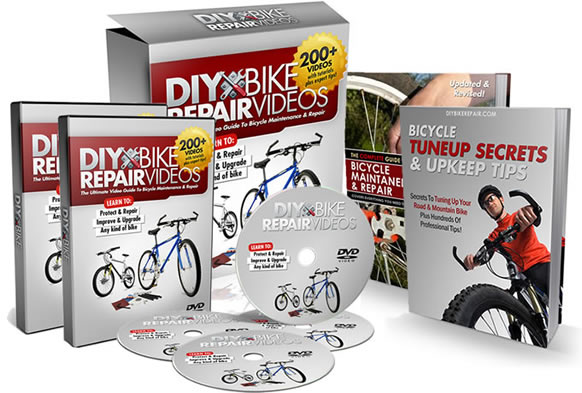
This is the course we recommend for going further. According to the seller's description, it includes:
- 200+ short videos (about 10 hours), starting with basic repairs
- A 150+ page illustrated repair manual
- Road and mountain bikes: brakes, derailleurs, drivetrain, wheels, headsets and suspension
- A one-time price of $47 at the time of writing, with a 60-day refund handled by ClickBank (per the seller's terms)
Good fit if you want to handle most routine maintenance yourself and like learning from video. Probably not needed if you only ever fix the occasional flat – this page and the free tips above may be all you need.
If you buy through the link below, we may earn a commission at no extra cost to you.
See the full course contents and price →You will be taken to the seller's website. Prices and terms are set by the seller and may change; check them on their page before buying.
Quick answers
How long does it take to fix a flat bike tire?
About 15–30 minutes the first time, and under 10 once you have done it a few times.
Can I fix a flat without tire levers?
On some loose-fitting tires, yes, by pushing the bead into the rim's center channel and rolling it off by hand. On tight road tires, levers make it much easier and safer for the tube.
How do I know which tube to buy?
Read the size on the tire sidewall and note your valve type (thin Presta or car-style Schrader). Buy a tube that lists your size within its range.